
Absolute Cosmetic Clinic, Andheri West
- Skin
- Hair
- Laser
- Aesthetics
Pigmentation & Brightening
You’ve probably tried everything. Serums, creams, face packs, that turmeric paste your aunt swore by. Maybe some of it helped a bit. Maybe it didn’t. Either way, you’re still here because the dark patches haven’t gone.
We will assess your skin and tell you honestly what it needs. Free, no obligation.
Pigmentation is one of the most common skin concerns we treat at Absolute Cosmetic Clinic, and it’s also one of the most misunderstood. Patients come in thinking all pigmentation is the same. It isn’t. What’s causing those dark spots on your cheeks is likely completely different from what’s causing that patch on your forehead. And the treatment that works for one type can actually make another type worse.
That’s why we don’t hand out lightening creams and hope for the best. Every pigmentation treatment here starts with identifying the type, the depth and the trigger. Then we build a plan around that.
The Cause
Your skin contains melanin, the pigment that gives it colour. When melanin production goes into overdrive in certain areas, you get dark patches or spots. The triggers vary widely.
Hormonal changes are a big one. Pregnancy, birth control pills, hormone replacement therapy. Sun exposure is another, and this one’s especially relevant in India where UV exposure is year-round. Then there’s post-inflammatory pigmentation, the dark marks left behind after acne, injuries or certain skin treatments. And sometimes it’s genetic. Some people’s skin just produces melanin unevenly.
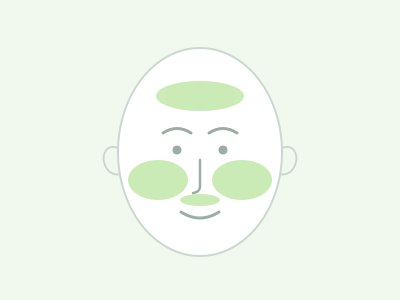
Melasma, the most stubborn type, is driven by a combination of hormones and sun exposure. It typically shows up as symmetrical brownish patches on the cheeks, forehead, upper lip and chin. If you’ve had it for years and nothing has worked, you’re not alone. Melasma is notoriously difficult to treat, and anyone who tells you they can cure it permanently is oversimplifying things.
Types We Treat
Deep, hormonal, chronic. Responds to a combination approach: topical depigmenting agents, chemical peels, sometimes laser at conservative settings. Requires maintenance. Won’t stay away without ongoing sun protection and skin care.
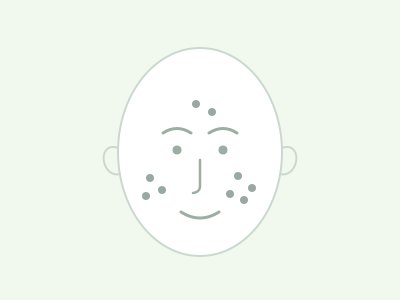
Those dark spots left after acne, eczema, burns or injury. These usually fade over time, but "time" can mean 6 to 18 months. Chemical peels, vitamin C, retinoids and laser can speed things up significantly.
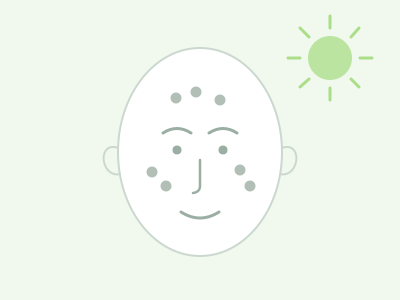
Flat brown spots from years of UV exposure. Respond well to laser for pigmentation, particularly Q-switched or Pico laser, which targets melanin deposits with precision without disrupting surrounding skin.
Dark or uneven lip colour is surprisingly common and responds well to lip pigmentation laser treatment. We use gentle laser settings tailored to the thin, sensitive skin of the lips. Peels can also help in milder cases.
The Treatment
Laser for pigmentation works by targeting melanin clusters with focused light energy. The melanin absorbs the energy, breaks into smaller particles, and your body’s immune system gradually clears them. Q-switched Nd:YAG, Pico laser and fractional laser are the types we use most, depending on the depth and type of pigmentation.
For laser for hyperpigmentation specifically, we’re careful about energy levels on Indian skin tones. Too aggressive, and you risk rebound pigmentation, which means the treatment itself causes new darkening. We start conservative and adjust.
Chemical peeling for pigmentation is one of the most effective and affordable treatments available. A controlled acid solution removes the outermost layer of pigmented skin, revealing fresher skin underneath. Glycolic acid, salicylic acid and lactic acid peels are commonly used. For deeper pigmentation, TCA peels may be recommended.
We often use chemical peels for hyperpigmentation as a regular maintenance treatment between laser sessions. Think of peels as the steady worker and laser as the heavy lifter. Together they produce better results than either one alone.
Prescription-strength creams containing ingredients like hydroquinone, tretinoin, azelaic acid or kojic acid. These work slowly but are an important part of any pigmentation treatment plan, especially for melasma where ongoing maintenance is needed.
Not a regular spa facial. A clinical facial for melasma involves specific depigmenting masks, controlled peels and LED therapy designed to reduce pigmentation without irritating the skin. We customise the protocol based on how reactive your melasma is.
Honest Expectations
3 to 5 sessions
Sun spots and PIH, with laser or a course of chemical peels
4 to 8 sessions
The typical course, depending on type and depth
Long term
Melasma: lightened and controlled, with ongoing maintenance
Sessions are spaced 2 to 4 weeks apart. SPF 50 every day is non-negotiable.
Some types of pigmentation can be removed almost completely. Sun spots and PIH usually respond very well to 3 to 5 sessions of laser or a course of chemical peels. Those patients walk away happy.
Melasma is a different story. It can be significantly lightened and controlled, but it tends to recur, especially with sun exposure or hormonal changes. Managing melasma is a long-term commitment, not a one-time fix. We’re honest about this because setting unrealistic expectations helps nobody.
Typically you’ll need 4 to 8 sessions depending on the type and depth, spaced 2 to 4 weeks apart. Strict sun protection (SPF 50, every single day, rain or shine) is non-negotiable during and after treatment. Skip the sunscreen and you’ll undo the work we’ve done. It’s that simple.
Results
Real patients, photographed with consent. Each pair is cropped to an identical frame so neither shot is flattered.
Results may vary. Individual outcomes depend on skin type, concern and treatment plan. Photographs are published with patient consent and are not retouched.
Our Locations
Two clinics across Mumbai and the Bhiwandi–Thane corridor, both offering the full range of skin, hair and aesthetic treatments.
Your Doctor
Dr Lubna Shaikh has over 15 years of experience in clinical cosmetology and aesthetic care, treating skin, hair and body concerns. Every treatment begins with a thorough assessment of your individual concern, because no two patients are the same.
Patient Reviews
Five stars all the way! The clinic itself is beautiful, modern, and very well-maintained. Every staff member I interacted with was polite, knowledgeable, and genuinely caring. The facility is spotless and equipped with top-notch technology, which immediately put me at ease. Highly recommend this clinic! I’ll definitely be back.
Had an excellent experience at Absolute Cosmetic Clinic. I recently got my MNRF treatment done and the results are amazing. The doctor and staff were very professional, gentle, and made me feel completely comfortable throughout. Highly recommended.
As a patient who underwent a hair transplant surgery with Dr Lubna’s Absolute Cosmetic Clinic, I can confidently say that my experience was excellent. … I am extremely happy with the results of my hair transplant. I would highly recommend this clinic to anyone who is considering hair transplant surgery.
I have been taking services from Dr. Lubna since 2017 and I have had an amazing experience over the years. I don’t think any other clinic can provide this service with such great offers and packages. I highly recommend you all to try this Clinic, especially for laser hair removal.
The service is very good and the staff is extremely friendly. Dr Lubna is a gem of a person and she personally looks after each individual. The services are absolutely affordable and jot heavy on the pocket. Anybody looking for any skin services must visit this clinic
I visited Absolute Clinic for blackheads, whitehead, tan removal treatment and more and got amazing results. The staff was very professional, the process was smooth, and my skin feels so much clearer now. Definitely recommend them for anyone looking for effective skincare treatments.
FAQ
It depends on the type. Laser works well for sun spots and localised hyperpigmentation. Chemical peels are great for surface-level pigmentation. Melasma usually needs a combination of peels, topical agents and sometimes laser. Your dermatologist will identify the type first and recommend from there.
Varies by area, depth and number of sessions. Small areas like the upper lip cost less than full-face melasma treatment over multiple sessions. We give you a clear cost estimate during the consultation.
Yes, especially melasma. Sun exposure and hormonal changes can trigger recurrence. That’s why maintenance, which includes daily sunscreen, topical agents and occasional peel sessions, is part of the treatment plan.
Yes, when done correctly. Indian skin is more melanin-rich, which means there’s a higher risk of rebound pigmentation if laser settings are too aggressive. We adjust parameters specifically for darker skin tones and start conservatively.
Typically 4 to 8 sessions, depending on the type and depth. Sun spots may clear in 3 to 4 sessions. Melasma often takes longer and benefits from ongoing maintenance peels.
Absolutely. Chemical peels for pigmentation are one of the most effective treatments, especially glycolic, lactic and TCA peels. They remove the pigmented surface layer and stimulate fresh skin to come through. They also work well alongside laser for better results.
Pigmentation is the broad term for any dark discolouration on the skin. Melasma is a specific type of pigmentation caused by hormonal factors and worsened by sun exposure. It appears as symmetrical patches, usually on the cheeks and forehead, and is the most challenging type to treat.
Yes. SPF 50 sunscreen every day is essential during pigmentation treatment. Sun exposure triggers melanin production and can reverse your results. This isn’t optional advice, it’s the most important part of the treatment plan.
Pigmentation Treatment
If dark patches, melasma or uneven skin tone have been bothering you and over-the-counter products haven’t made a dent, come in. The doctor will examine your skin, identify what type of pigmentation you’re dealing with, and explain exactly what can be done about it.
Two clinics: Andheri West (Oshiwara) and Bhiwandi.