Absolute Cosmetic Clinic, Andheri West
- Skin
- Hair
- Laser
- Aesthetics
Acne & Scar Solutions
Here’s what nobody tells you about acne scars: the acne itself might clear up in a few months, but the scars it leaves behind can stick around for years. Decades, even. And no, they don’t just "fade with time" the way people say. Some types of scars physically can’t, because the damage goes deeper than the surface.
We will assess your skin and tell you honestly what it needs. Free, no obligation.
If you’ve been left with uneven texture, pitted skin or marks from old breakouts, you’re not imagining it and you’re not being vain. Acne scars change the way light hits your face. They’re visible in photos, in mirrors, under certain lighting. And they affect how you feel about your skin long after the acne is gone.
At Absolute Cosmetic Clinic, our dermatologist has been treating acne scars for over 15 years. We don’t use a single treatment for every patient. The approach depends entirely on what kind of scars you have, how deep they are and what your skin can handle.
Scar Types
This is where most people get stuck. They Google "acne scar removal" and assume one treatment fixes everything. It doesn’t. Dermatologists classify acne scars into specific types, and each one responds to a completely different treatment approach.
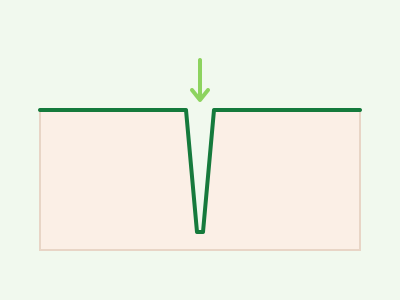
Small, deep, narrow holes in the skin. Think of what it would look like if someone poked your cheek with a needle. They’re the most difficult type to treat because they extend deep into the dermis while being tiny on the surface. Standard resurfacing treatments often can’t reach the bottom of these scars. Chemical peels at high concentrations (TCA CROSS), punch excision or a combination approach tends to work best.
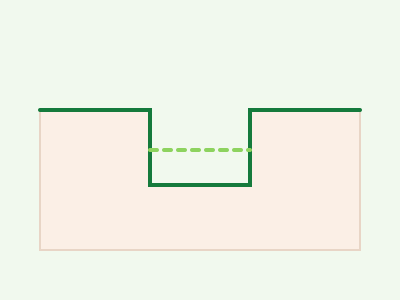
Wider than ice picks, with sharp vertical edges and a flat base. They look like small craters. Shallow boxcar scars respond reasonably well to laser resurfacing, microneedling or MNRF. Deeper ones are more stubborn and may need subcision or filler to lift the base before any surface treatment makes a visible difference.
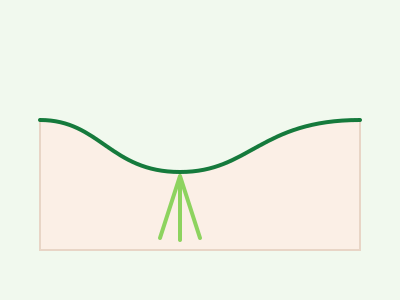
These give the skin a wavy, uneven texture. Not because of holes in the surface, but because fibrous bands underneath the skin are literally pulling it downward. If you stretch the skin and the scar disappears, it’s almost certainly a rolling scar. Subcision, where a needle is used to cut those fibrous bands beneath the surface, is usually the first step. Without it, no amount of topical treatment or resurfacing will fix the underlying tethering.
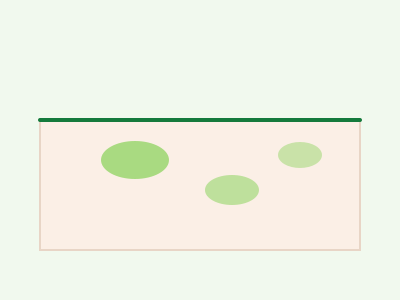
Worth mentioning because a lot of patients confuse these with actual scars. Those flat red or brown marks left behind after a pimple heals? They’re not scars. They’re pigmentation changes. The difference matters because these do fade on their own over 3 to 12 months and respond to completely different treatments, things like vitamin C serums, azelaic acid, sunscreen and sometimes chemical peels. No laser needed.
The Treatment
We don’t start with a treatment. We start with an assessment. The doctor maps your scars, identifies the types present (most patients have a mix of two or three on the same face), and builds a treatment plan based on what each type needs.
Here’s what’s in our toolbox:
Fractional laser works by creating thousands of microscopic channels in the scar tissue, triggering your skin’s natural healing response and collagen production. Over several sessions, the scarred skin is gradually replaced by smoother, healthier tissue. It’s particularly effective for boxcar and shallow rolling scars.
People always ask about the laser pimple scar removal cost upfront. Fair enough. But the honest answer is that it depends on how many scars you have, how deep they are and how many sessions you’ll need. We give you a realistic estimate during the consultation, not a generic number from a website.
Microneedling creates controlled micro-injuries in the skin that stimulate collagen remodelling. MNRF takes it further by adding radiofrequency energy, which heats the deeper layers for more significant texture improvement. Both are excellent for rolling and boxcar scars, and they work especially well as a follow-up to subcision.
The advantage of microneedling over aggressive laser? Less downtime and it’s generally safer for darker Indian skin tones, which matters because some laser treatments carry a risk of post-inflammatory hyperpigmentation on melanin-rich skin.
For shallow scarring and post-acne marks, chemical peels can improve skin texture by removing the damaged outer layer and encouraging regeneration. We use different strengths depending on the depth of the concern. For deeper ice pick scars, a technique called TCA CROSS applies high-concentration trichloroacetic acid directly into the scar to trigger focused collagen rebuilding from the bottom up.
A needle is passed beneath the scar to physically cut the fibrous bands pulling the skin downward. Sounds intense, but it’s a relatively quick procedure under local anaesthesia. It’s the gold standard for rolling scars. Once the bands are released, the surface lifts, and the wound healing process fills in the space with new collagen. We often combine subcision with dermal fillers or PRP for better results.
Not all scars come from acne. Surgery scars, injury scars and other trauma scars also benefit from revision techniques. The approach might include laser treatment, steroid injections (for raised keloid or hypertrophic scars), microneedling or in some cases surgical re-excision and re-closure for better cosmetic outcome.
The surgery scar removal cost varies significantly depending on the size, location and type of scar. A small scar on the face requires a very different approach and investment compared to a long surgical scar on the abdomen.
Before & After
Results may vary. Individual outcomes depend on skin type, concern and treatment plan. Photographs are published with patient consent and are not retouched.
Honest Expectations
Let’s be direct about this. Scar treatment improves scars. It doesn’t erase them completely. Anyone claiming "100% scar removal" is overpromising.
That said, the improvement can be dramatic. Most patients see a 50 to 80% reduction in visible scarring after a complete course of treatment. Shallow scars often improve more than deep ones. Combination approaches (subcision plus microneedling plus laser over several months) consistently outperform any single treatment used alone.
You should expect 3 to 6 sessions for most scar types, spaced 4 to 6 weeks apart. Some deep ice pick scars need more. Improvement continues for several months after your last session as collagen continues to rebuild.
Our Locations
Two clinics across Mumbai and the Bhiwandi–Thane corridor, both offering the full range of skin, hair and aesthetic treatments.
Before You Start
If you still have active acne, we need to get that under control first. Treating scars while new pimples are still forming is counterproductive, you’d be fixing old damage while creating new damage simultaneously.
Patients with active skin infections, certain autoimmune conditions, or those who are pregnant may need to wait. People on isotretinoin typically need to be off the medication for 6 to 12 months before starting laser or deep peel treatments. Your dermatologist will flag any contraindications during the consultation.
Cost
We get a lot of searches from patients looking for the acne scar treatment laser price before they book. We understand. Nobody wants to walk into a clinic without some idea of the investment involved.
But here’s the reality: the cost depends on too many variables to give you one number on a webpage. The type of laser used, how many scars you’re treating, the area of the face involved, and how many sessions your scar type requires, all of these change the final figure. What we can tell you is that the doctor will give you a transparent cost breakdown during your consultation so you know exactly what you’re looking at before committing to anything.
Your Doctor
Dr Lubna Shaikh has over 15 years of experience in clinical cosmetology and aesthetic care, treating skin, hair and body concerns. Every treatment begins with a thorough assessment of your individual concern, because no two patients are the same.
Patient Reviews
Five stars all the way! The clinic itself is beautiful, modern, and very well-maintained. Every staff member I interacted with was polite, knowledgeable, and genuinely caring. The facility is spotless and equipped with top-notch technology, which immediately put me at ease. Highly recommend this clinic! I’ll definitely be back.
Had an excellent experience at Absolute Cosmetic Clinic. I recently got my MNRF treatment done and the results are amazing. The doctor and staff were very professional, gentle, and made me feel completely comfortable throughout. Highly recommended.
As a patient who underwent a hair transplant surgery with Dr Lubna’s Absolute Cosmetic Clinic, I can confidently say that my experience was excellent. … I am extremely happy with the results of my hair transplant. I would highly recommend this clinic to anyone who is considering hair transplant surgery.
I have been taking services from Dr. Lubna since 2017 and I have had an amazing experience over the years. I don’t think any other clinic can provide this service with such great offers and packages. I highly recommend you all to try this Clinic, especially for laser hair removal.
The service is very good and the staff is extremely friendly. Dr Lubna is a gem of a person and she personally looks after each individual. The services are absolutely affordable and jot heavy on the pocket. Anybody looking for any skin services must visit this clinic
I visited Absolute Clinic for blackheads, whitehead, tan removal treatment and more and got amazing results. The staff was very professional, the process was smooth, and my skin feels so much clearer now. Definitely recommend them for anyone looking for effective skincare treatments.
FAQ
Improved significantly, yes. Completely erased, not always. Most patients see a 50 to 80% improvement with the right combination of treatments. Shallow scars respond better than deep ice pick scars, but even stubborn ones can be softened noticeably over multiple sessions.
There’s no single best. It depends on the type. Rolling scars need subcision. Ice picks respond to TCA CROSS or punch techniques. Boxcar scars improve with microneedling, MNRF or laser. Most patients have a mix, which is why a combination plan usually gives the best outcome.
It varies by scar type, number of sessions and treatment area. We don’t list a flat rate because what works for mild scarring and what’s needed for severe pitting are completely different investments. The doctor provides a clear estimate during the free consultation.
Most procedures involve a numbing cream applied beforehand. Microneedling feels like a tingling sensation. Laser can feel warm with brief stinging. Subcision is done under local anaesthesia so you won’t feel the needle working. Post-treatment, there’s usually redness and mild swelling for a day or two, nothing most patients would call painful.
Typically 3 to 6 sessions, spaced 4 to 6 weeks apart. Deep or widespread scarring may need more. Your dermatologist maps this out after examining your scars in person. The improvement builds gradually, with each session adding to the collagen rebuilding from the last.
Yes. Surgery scars, C-section scars, accident scars and other injury scars can all be improved with scar revision techniques including laser, steroid injections, microneedling and in some cases re-excision. The approach depends entirely on the scar type and location.
Not necessarily. But your active acne should be under control first. If you’re on isotretinoin, you’ll need to wait 6 to 12 months after stopping before starting laser or deep peel treatments. Other acne medications are usually fine to continue. Your doctor will advise.
Treated scars don’t return. Once collagen has rebuilt and the texture has improved, that improvement is permanent. However, if you develop new acne that scars again, you’d be dealing with new scars, not the old ones coming back.
Scar Reduction
Scars don’t have to be permanent. If you’ve been living with acne scars, surgery scars or marks that bother you every time you look in the mirror, come in for an assessment. The doctor will examine your skin, identify what type of scars you have, and tell you straight what can realistically be done.
Walk-ins welcome. Two clinics: Andheri West (Oshiwara) and Bhiwandi.